
Sea Freight vs Air Freight: A Comprehensive Guide to Shipping Methods
In the world of international shipping, there are two primary methods that dominate the industry: sea freight and air freight. While each has its unique characteristics, both come with advantages and drawbacks. In this guide, we will explore the key differences and similarities between sea freight and air freight, so that you can make informed decisions for your shipping needs.
1. Speed and Transit Time
One of the most significant differences between sea freight and air freight is the speed of delivery:
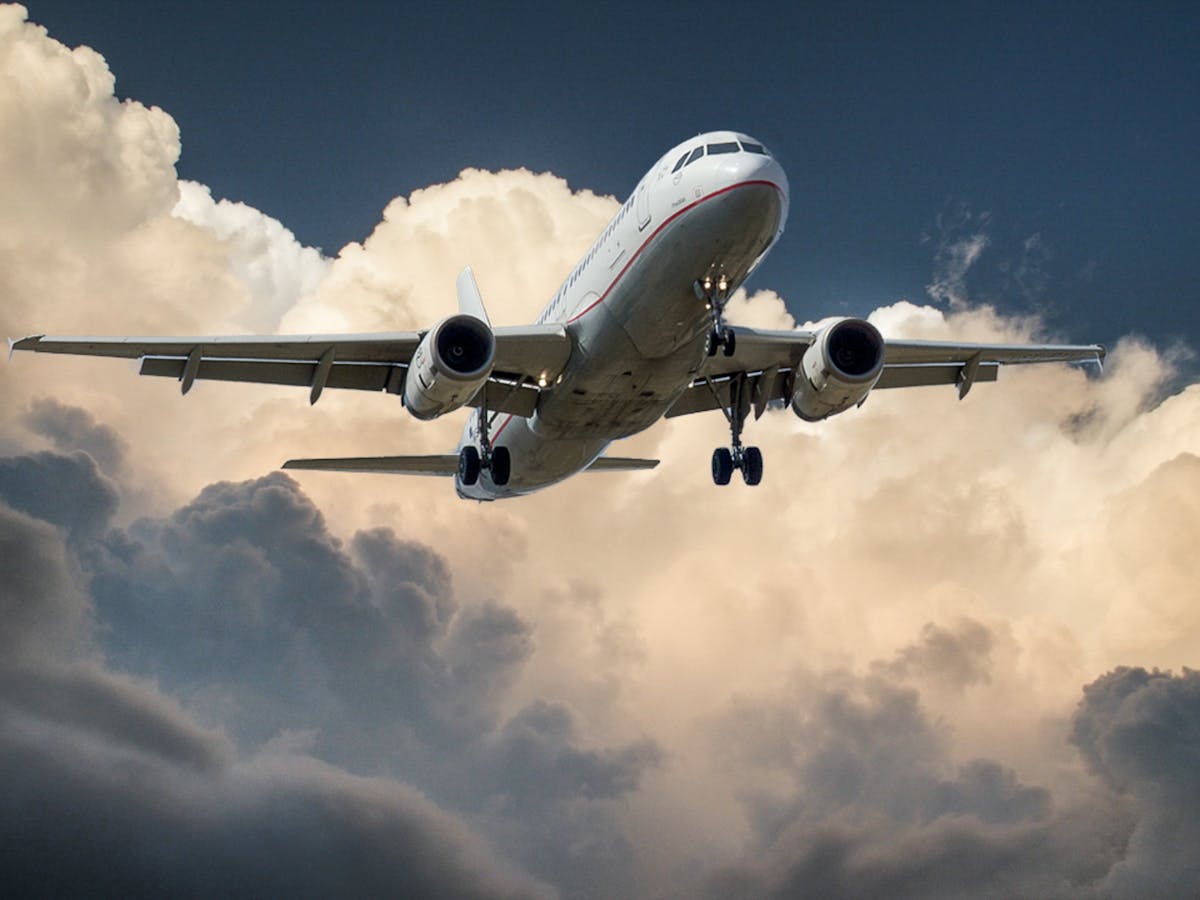
- Air Freight: Typically takes 2-4 days for delivery.
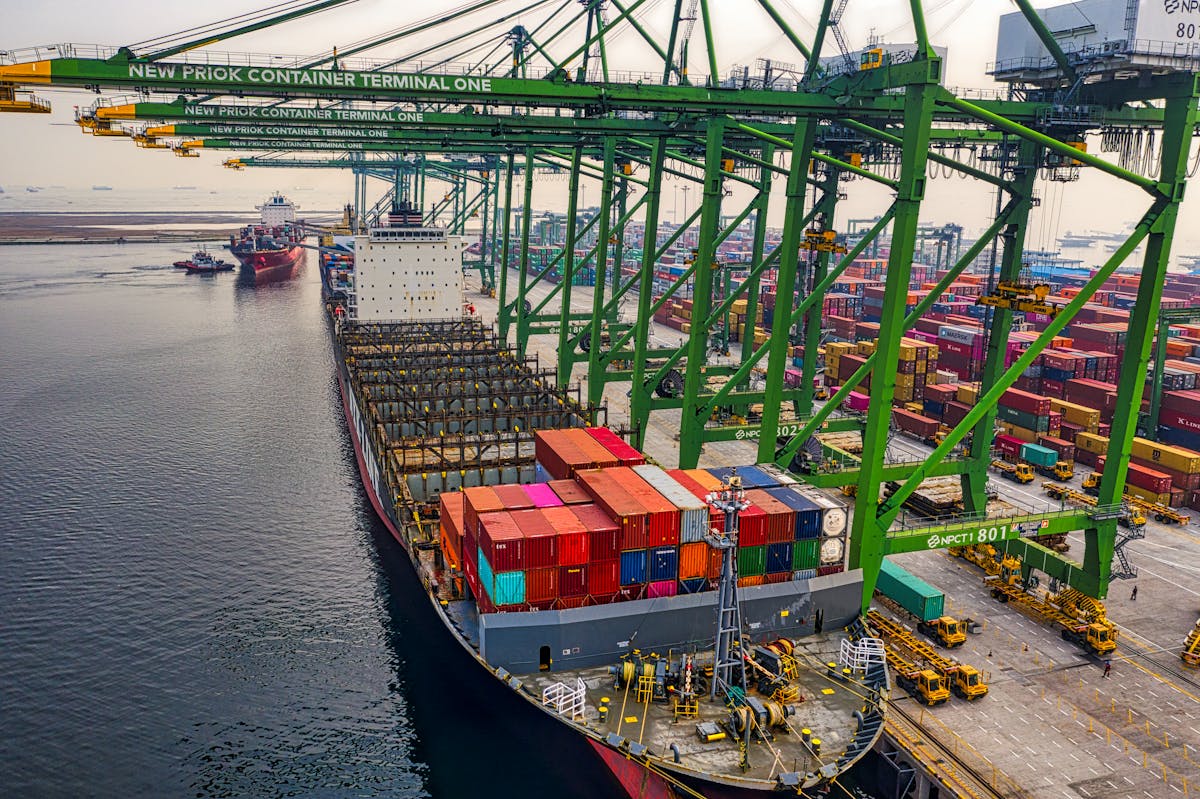
- Sea Freight: Can take weeks or even months for delivery.
Air freight is the clear winner when it comes to speed, making it ideal for time-sensitive shipments. However, sea freight has been improving its transit times with the introduction of express LCL (Less than Container Load) services, which can compete with air freight in terms of delivery time while remaining more cost-effective.
2. Cost
The cost difference between these two shipping methods is substantial:
- Sea Freight: Generally more cost-effective, especially for larger shipments.
- Air Freight: Significantly more expensive, often 5-6 times the cost of sea freight.
For example, a shipment that costs $195 by sea might cost $1,000 by air. This makes sea freight the preferred choice for businesses looking to minimize transportation costs, particularly for bulk goods or large shipments.
3. Capacity and Cargo Type
The capacity and type of cargo each method can handle differ considerably:
- Sea Freight:
- Offers more capacity (e.g., one container can hold 10,000 beer bottles).
- Ideal for large, bulky items and high-volume orders.
- Better suited for sturdier goods that can withstand sea conditions.
- Air Freight:
- Better for smaller volumes of more delicate products.
- Ideal for high-value, lightweight items.
- Preferred for perishables and time-sensitive goods.
4. Environmental Impact
When considering sustainability:
- Sea Freight: Has a much better carbon footprint compared to air freight.
- Air Freight: Leaves a bigger carbon footprint as it consumes more fuel and releases more greenhouse gases.
5. Reliability and Risk
Both methods have their own reliability factors and risks:
- Air Freight:
- More reliable with fewer risks of delay.
- Higher security at airports, but potential vulnerability during ground transportation.
- Sea Freight:
- More susceptible to delays due to weather conditions or port congestion.
- Longer transit times may increase the risk of theft.
6. Regulations and Restrictions
Different regulations apply to each shipping method:
- Air Freight: Has stricter regulations for hazardous materials.
- Sea Freight: Can transport products that don’t meet airport regulations.
Comparison Table
| Factor | Sea Freight | Air Freight |
| Speed | Slower (weeks to months) | Faster (2-4 days) |
| Cost | More cost-effective | More expensive |
| Capacity | Larger capacity | Limited capacity |
| Cargo Type | Bulk, heavy goods | Small, lightweight, valuable items |
| Environmental Impact | Lower carbon footprint | Higher carbon footprint |
| Reliability | More susceptible to delays | More reliable, fewer delays |
| Regulations | Less strict | Stricter, especially for hazardous materials |
When to Choose Sea Freight vs Air Freight
Choose Sea Freight when:
- You have large, bulky shipments
- Cost is a primary concern
- Your delivery timeline is flexible
- You’re shipping sturdy goods that can withstand sea conditions
- Environmental impact is a significant factor
Choose Air Freight when:
- Speed is crucial
- You’re shipping high-value, lightweight items
- You’re dealing with perishables or time-sensitive goods
- Security and reliability are top priorities
- You have smaller shipment volumes
Conclusion
The choice between sea freight vs air freight ultimately depends on your specific business needs, considering factors such as urgency, budget, cargo type, and volume. While sea freight offers cost-effectiveness and higher capacity, air freight provides speed and reliability. By understanding these key differences, you can make informed decisions that optimize your supply chain and meet your shipping requirements effectively.
Why Choose Black Pearl Shipping?
Black Pearl Shipping Services, based in Dubai, UAE, offers a comprehensive range of freight solutions tailored to meet diverse shipping needs. Here are compelling reasons to choose them for your logistics requirements:
- Comprehensive Freight Services – Offering LCL, FCL, Air Freight, Sea Freight Break Bulk Shipping, and Road Transportation, and more to meet all shipping needs.
- Global Reach – Strategically located in Dubai, which allows for smooth and reliable worldwide shipping by leveraging a strong logistics network.
- Tailored Solutions – Customized shipping plans designed to optimize costs and efficiency while meeting specific business requirements.
- Fast & Secure Deliveries – Ensuring timely shipments with a focus on safety and minimal handling risks.
- Hassle-Free Process – Managing everything from documentation to tracking, while also providing customers with a seamless shipping experience.
- Industry Expertise – Backed by a knowledgeable team with extensive experience in freight logistics and international shipping.
- Customer-Centric Approach – Dedicated support and transparent communication, ensuring a smooth and efficient shipping process.
Choose Black Pearl Shipping for reliable, cost-effective, and efficient freight solutions tailored to your needs. Get in touch with us!